


 myeduskills

17 Courses
Education
PDT107 Lesson Planning and Classroom Management
This course presents best practices in lesson planning that English language teacher make before they enter the classroom. The effectiveness of a teaching session depends on the diligent planning of the lesson. Focus is on the daily decisions a teachers makes for the successful outcome of a lesson. The course also engages student in best practices in classroom and behavior management, from organising time, materials, and classroom space to strategies for managing individual and large group student behaviors, and other arrangements for classrooms. Key concepts of effective classroom management are discussed, including creating a positive environment, engaging students and developing class rules.
Education
PDT016 Linguistics and Grammar
This introduces students to linguistics of English focusing on morphology, semantics, syntax, phonetics, phonology and pragmatics. It course provides students with the concepts and ideas used to describe and analyse the English language, as well as a theoretical insight into the language system. It also includes an introduction to English grammar focusing on word order, determiners, pronouns, adjectives, adverbs, clauses, pronunciation and intonation.
Education
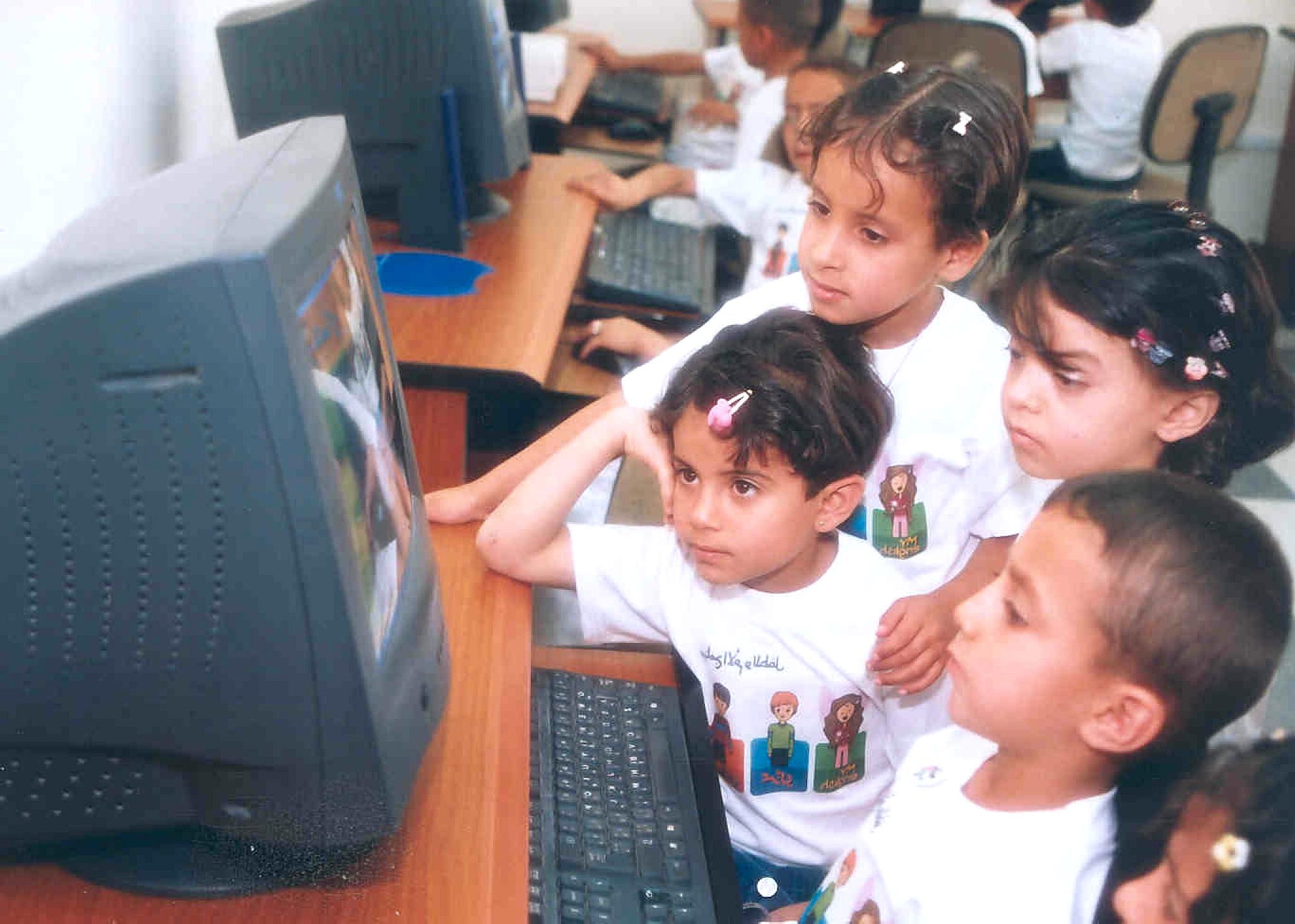
PDT105 Digital Technology and Materials Development
The course examines the adoption of more traditional materials and digital technology in teaching language. The traditional materials include the use of flash cards, various visual and audio aids and language games. Also discussed is the use of digital technology and web resources in teaching reading, writing, listening and speaking. Learners are introduced to the selection, development, adaptation and evaluation of a range of materials and media for effective second language teaching. It examines the nature of the materials/technologies, including their place in the curriculum, the assumptions underlying them, and the roles of teachers and learners implied by them.
Education
PDT104 Language Assessment and Testing
The
course provides an overview of many of the key concepts involved in the
assessment of language knowledge and use, with detailed explanation of what is
involved in designing or choosing tests for the four language skills as well as
more general testing of grammar and vocabulary. It gives students a solid
understanding of important testing terms and critique testing literature. The
course examines the range of assessment tools used in evaluating language
skills, determining the validity and reliability of each of the tools, analysis
of the results of the tools used, making decisions and informed choices. It
also discusses basic statistics, item analysis, format of tests, specific
language tests, construction of tests and discrete point and integrative tests
Education
PDT103 Teaching Listening and Speaking
The teaching of listening and speaking in the second language classroom has been neglected compared to reading and writing. This course deals with the teaching of listening and speaking focusing on the theory underlying listening and speaking, strategies and techniques for teaching listening & speaking, designing and developing listening & speaking activities and assessment of listening & speaking skills. The course presents an overview of recent research and developments in the teaching of listening and speaking and how these areas can be taught in an integrated. The course examines how human understanding spoken discourse, the nature of spoken interaction, the differences between speech and writing and the ways in which oral fluency fosters language development course examines how human understanding spoken discourse, the nature of spoken interaction, the differences between speech and writing and the ways in which oral fluency fosters language development

Education
CDE103 Digital Pedagogy
Oftentimes educators get carried away with with new technologies and ignore pedagogy. Digital pedagogy is defined simply as the art and science of teaching using digital tools and technologies in cyberspace. Focus is on the variety of digital pedagogical strategies, steps involved in designing digital courses and types of active learning activities. Also examined are alternative and authentic assessment methods such as online quizzes, audio & video presentations, e-portfolios and others. Issue discussed include authentication and academic honesty.

Education
CDE104 Digital Content
Traditionally, content has been provided to students at all levels of education and corporate training through text and images. In recent times the shift is towards digital content made available online. As mentioned in the IDLM, student-content interaction is an important part of learning and the challenge is facilitating this interaction. About two-thirds of student time is spent interacting with content whether it be reading text, watching a video, listening to a podcast, doing a quiz and so forth. This course discusses the creation and curation of content that will facilitate learning and explore the viability of the self-instructional module. Focus is on the curation of available content and the creation of educator made content.

Education
CDE102 Digital Technologies
A variety of digital technologies are available to assist educators in enhancing learning of students since the emergence of the internet and the web. The course examined the digital technologies used in the design, development and delivery of teaching and alignment to how students learn and meeting needs of diverse learners. The digital technologies include learning management systems, video conferencing tools for synchronous interaction, social media tools for asynchronous interaction, gamification software, video and audio making tools, animation software and others.

Education
CDE101 Digital Learning
There is an impressive body of research evidence on how students learn whether they be in preschool, primary school, secondary school, college, university or the corporate sector. This microcredential examines how students learn with digital technologies. Focus is on how behaviourism, cognitivism and constructivism explain how people learn and how educators apply these theories in the learning environment in which digital technologies are employed. An Integrated Theory of Digital Learning (ITDL) is introduced which ties these theories in explaining how students learn effectively and efficiently using digital technologies. Finally, the course examines the principles of digital learning and how it impacts learning design.

Education
Creating a Safe Environment for Children
The microcourse examines the importance of a safe environment for children. Emphasis is on safety indoors and outdoors both in preschools and the home, steps teachers, parents and caregivers should take to ensure that children are taught about various aspects of safety. The course consists of 3 topics.
Duration : 40 hours (8 days)

Education
Enhancing Home - School Partnerships
The microcourse discusses how home-school partnerships can be enhanced for the well-being of children. Emphasis is on what is home-school partnership, its importance and how it can be enhanced based on the Joyce Epstein’s model. The course consists of 3 topics.
Duration : 40 hours (8 days)

Education
Positive Guidance for Children
The microcourse examines how teachers, parents and caregivers can use positive guidance in developing the social and emotional well-being of children. Focus is what is positive guidance, difference between discipline and positive guidance, indirect and direct guidance strategies. The course consists of 3 topics.
Duration : 40 hours (8 days)

Education
How Children Learn
This microcourse discusses the theories explaining how children learn. Topics in the course focus on classical and operant conditioning, observational learning, meaningful learning, and the information processing model. This knowledge of how children will help teachers and parents to better understand the children in the classroom or at home. This microcourse consists of 3 topics.
Duration : 40 hours (8 days)

Education
Creating a Safe Environment for Children
The microcourse examines the importance of a safe environment for children. Emphasis is on safety indoors and outdoors both in preschools and the home, steps teachers, parents and caregivers should take to ensure that children are taught about various aspects of safety. The course consists of 3 topics.
Duration : 40 hours (8 days)

Education
How Children Learn
This microcourse discusses the theories explaining how children learn. Topics in the course focus on classical and operant conditioning, observational learning, meaningful learning, and the information processing model. This knowledge of how children will help teachers and parents to better understand the children in the classroom or at home. This microcourse consists of 3 topics.
Duration : 40 hours (8 days)

Education
Positive Guidance for Children
The microcourse examines how teachers, parents and caregivers can use positive guidance in developing the social and emotional well-being of children. Focus is what is positive guidance, difference between discipline and positive guidance, indirect and direct guidance strategies. The course consists of 3 topics.
Duration : 40 hours (8 days)

Education
Enhancing Home - School Partnerships
The microcourse discusses how home-school partnerships can be enhanced for the well-being of children. Emphasis is on what is home-school partnership, its importance and how it can be enhanced based on the Joyce Epstein’s model. The course consists of 3 topics.
Duration : 40 hours (8 days)
 myeduskills